
Heat Transfer Fluids for the Lamination Industry

Whether you’re working with foil lamination, metal, plastic, or wood, Duratherm provides the ideal thermal oil for you. Your thermal oil heater can press, cure, and mould material using our high-performance, long-lasting fluids. Thermal oil provides a higher forming pressure than compressed air or a steam system, enabling you to create higher-quality goods.

You can safely handle and utilize our thermal oils with a variety of laminating technologies and processes, such as extrusion and steel and wood lamination, because they provide accurate temperature control and are non-toxic, non-fouling, and non-aromatic.

Selecting the ideal thermal fluid for your profession isn’t always simple. We can assist you in selecting the best one for you, respond to any inquiries you might have, and offer free tech support and troubleshooting. We provide a free fluid analysis as well. Get in touch with us now.
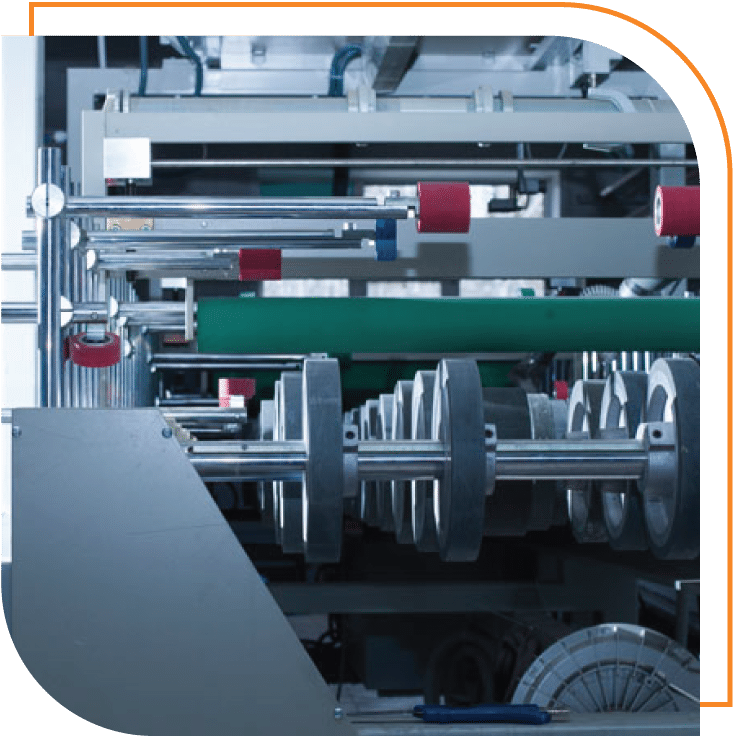
Heat Transfer Fluids for the Lamination Industry

Products for this Industry

Duratherm 600

Max Temp
316°F

Flash Point
224°F

Rated to 316°C (600°F) and specifically engineered to withstand the extreme oxidation environment of open (to atmosphere) systems, the Duratherm 600 thermal fluid incorporates a proprietary dual-stage anti-oxidant for long, trouble free operation in a variety of applications. It’s an environmentally friendly, non-toxic thermal fluid (heat transfer fluid) capable of providing precise temperature control.

Duratherm 630

Max Temp
332°F

Flash Point
229°F

Rated to 333°C (630°F) and engineered to be an economical and environmentally friendly replacement to chemical aromatic thermal fluids, Duratherm 630’s enhanced blend is designed to offer years of trouble free service and superior protection from oxidation even at higher operating temperatures.

Duratherm HF

Max Temp
338°F

Flash Point
277°F

Engineered for its high flash point of 277°C (530°F) with an operating limit of 338°C (640°F), the Duratherm HF heat transfer oil offers a solution to those customers requiring the additional margin of safety needed to meet their own internal safety standards or those of their insurance carrier or government regulators.